-
Rotator cuff tears

From the shoulder to the wrist, your upper limb relies on a finely balanced network of muscles, tendons, ligaments and joints to move with both power and precision — so even small problems can interfere with everyday life.
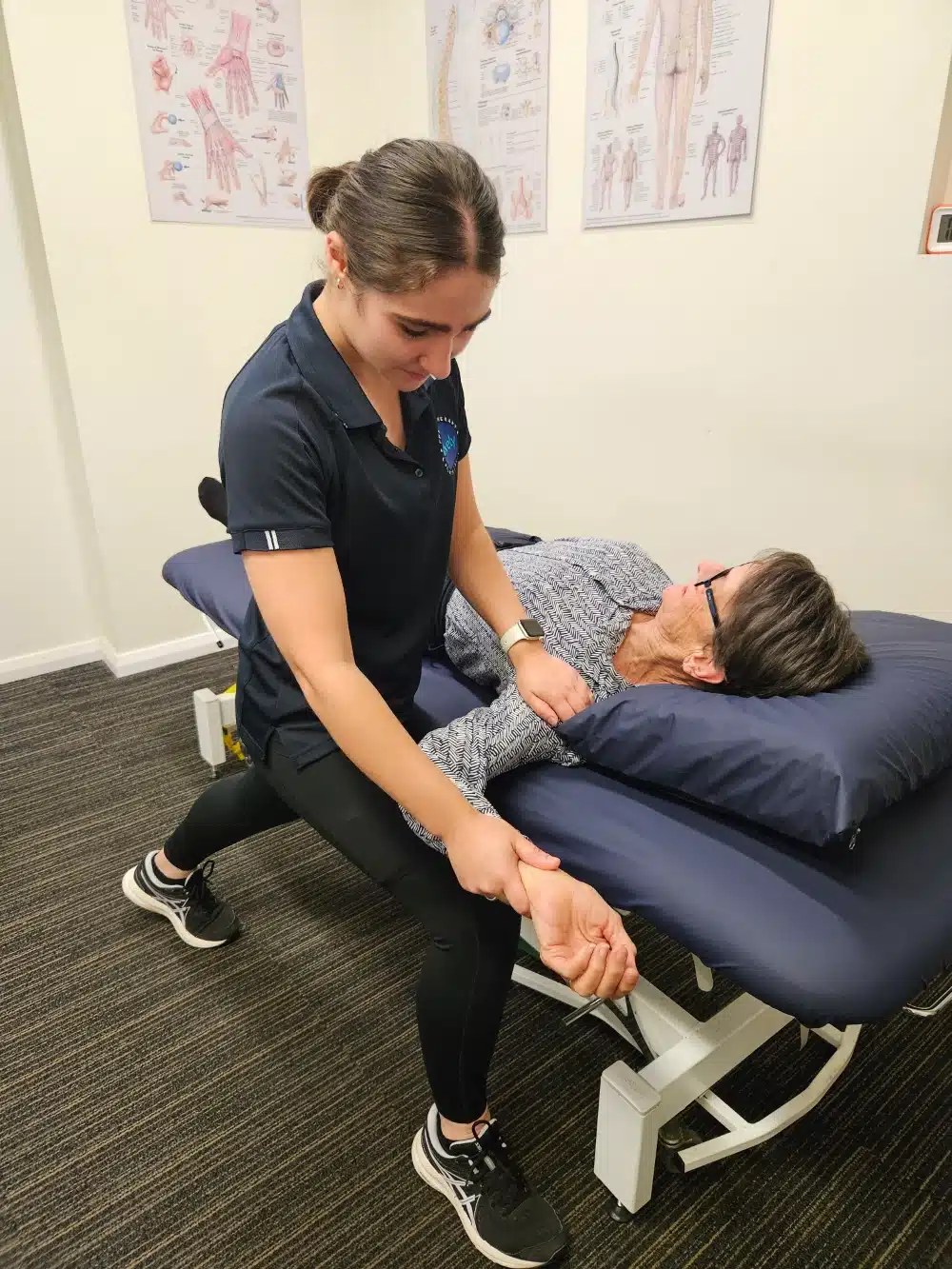
The shoulder is a ball-and-socket joint that relies heavily on surrounding soft tissues — tendons, ligaments and muscles — to maintain both smooth motion and stability. This makes it particularly vulnerable to overuse, especially during activities that demand a wide range of motion like a golf swing or tennis serve.
In daily life we depend on our arms and hands for countless tasks, requiring the shoulder to provide both stability and precision throughout the day. Even small changes in loading patterns, posture or stability can accumulate over time and lead to overuse injuries.
The wrist is a complex structure of densely arranged muscles, ligaments and bones — and one of the most frequently injured parts of the body. Wrist pain or injury can result from sporting activities, workplace demands or everyday use, and its effects can limit daily tasks, disturb sleep and interfere with exercise.
Because the shoulder, arm and wrist work as one connected chain, pain in one area can be driven by another — which is why an accurate diagnosis is essential for effective management.
Your physiotherapist conducts a thorough subjective and objective assessment of the whole upper limb. For the shoulder, we consider referred pain from the neck or upper back, sporting technique and biomechanics, the position and movement of the scapula (shoulder blade), and postural habits — and the rotator cuff is carefully tested for signs of weakness, imbalance or tearing.
For the wrist, we look at referred pain from the upper arm or neck, the mechanics of the entire arm, strength, posture and desk setup. Each of the small bones that make up the wrist is assessed individually, along with how they move in relation to one another and the quality and range of movement.
From there, your treatment may include strengthening exercises, manual therapy to relieve tight muscles or stiff joints, dry needling, modification of weight-bearing exercises such as push-ups and planks, and adjustments to your desk setup — a complete plan that settles your symptoms and addresses why they developed in the first place.

Night pain is common with rotator cuff and bursitis problems — the position of your arm while sleeping can compress already-irritated structures. It’s a good reason to get assessed early so we can settle symptoms and help you sleep comfortably again.
Many rotator cuff issues — including partial tears, tendonitis and impingement — respond very well to targeted rehabilitation without surgery. We’ll be honest with you about your prognosis and refer on if a surgical opinion is warranted.
Possibly — pins and needles into the hand are a common clue. Our assessment helps identify the cause and whether it’s carpal tunnel, tendon-related or coming from elsewhere in the arm or neck.
Often not at first. Our physiotherapists conduct a thorough clinical assessment and arrange imaging only if it’s likely to change your treatment. Many shoulder and wrist conditions are managed very effectively without scans.
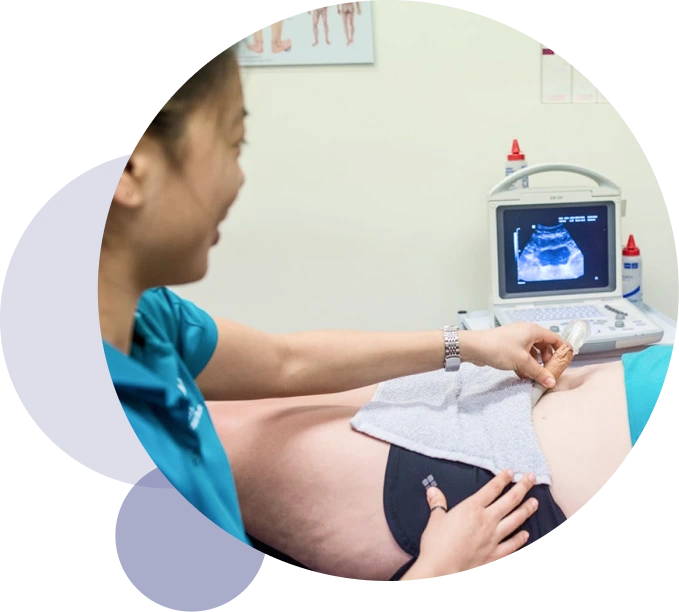
Our latest addition to our clinic is this wonderful machine. The RTUS is used to assess and train a person’s deep core muscles (transversus abdominis/multifidus) and pelvic floor muscles.
This machine works just like the one for pregnant women, but the emphasis is on muscles. The screen will show the specific muscles and then the training will be directed by one of our qualified physiotherapists.
Experience the difference of a whole-body approach to healthcare. Whether you’re looking to book a Physiotherapy assessment, join a Clinical Pilates session, or inquire about remedial massage, contact us to find the most efficient path to your recovery.