-
Postural & mechanical back pain
Approximately 65–80% of people will experience back pain at some stage in their lives — from a persistent dull ache to sharp, stabbing pain, and sometimes burning, tingling or weakness.
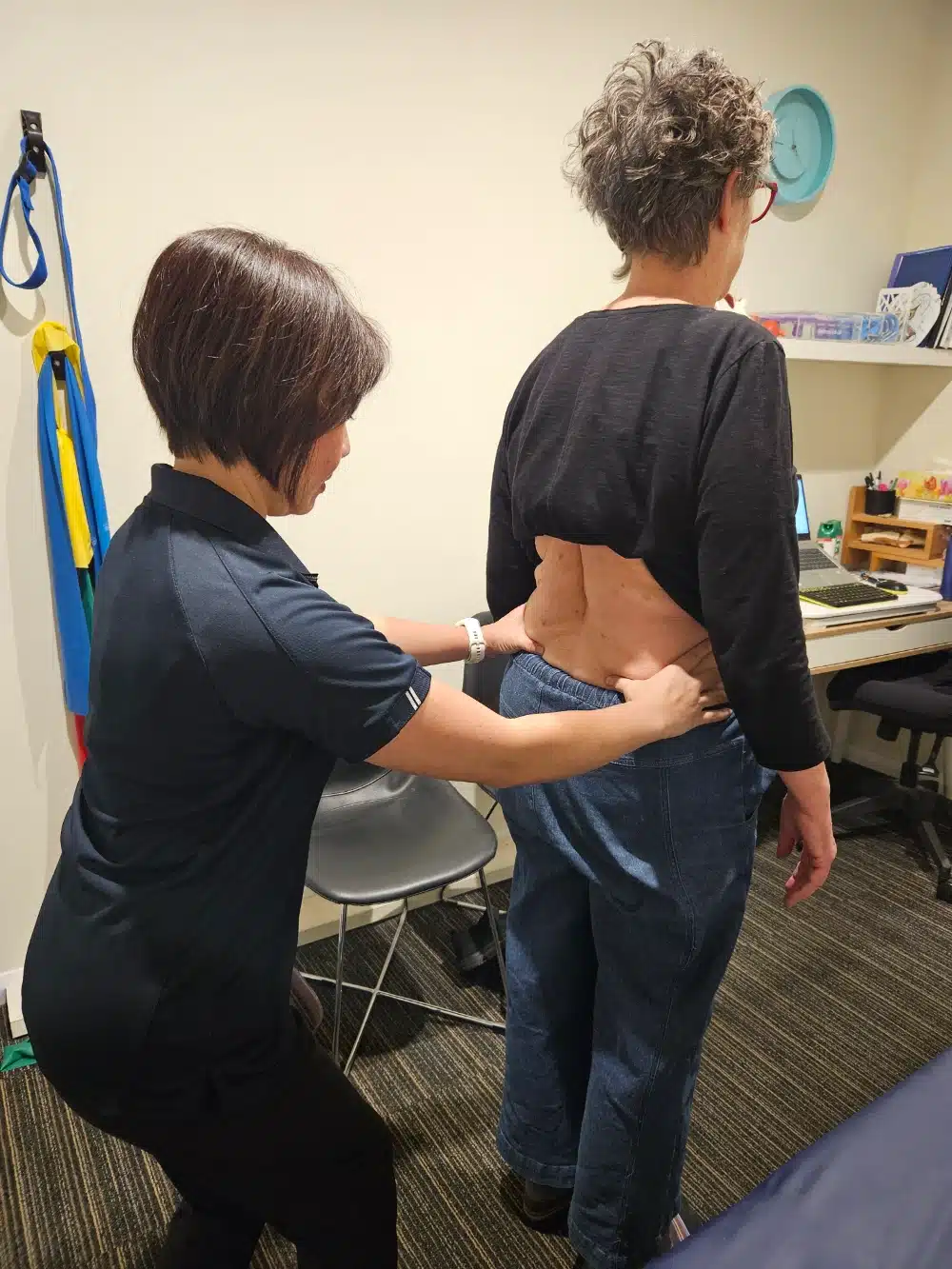
Back pain can affect both the lower and upper regions, sometimes extending to the buttocks, hips, and — in mid-back issues — the ribs, chest and shoulder blades. When assessing upper back pain we consider the shoulder blades, neck and rib cage; uneven or premature shoulder-blade movement often plays a significant role.
For lower back pain a broader range of factors is examined: referred pain, lower-limb biomechanics, spinal and pelvic alignment, and the strength and coordination of the muscles around the spine, core and hips. The goal is always to treat the underlying cause, not just the symptoms.
Your physiotherapist factors in the physical demands of your daily life — your occupation and any sport you play. A desk worker may develop tight hip flexors contributing to imbalances in the lower back and pelvis; a rock climber may need greater shoulder-blade mobility.
Our physios are highly trained across the full spectrum of back issues — from postural discomfort and rib joint stiffness to disc injuries, facet joint strain and sacroiliac (SI) joint dysfunction. We conduct a full physical and verbal assessment, use hands-on techniques like massage, joint manipulation and dry needling for immediate relief, then prescribe rehabilitation exercises to build strength and stability.
If deeper investigation is needed we can organise scans or specialist referrals. Most people experience full recovery in just a handful of visits.

Most back pain doesn’t require imaging to treat effectively. We assess you thoroughly first and organise scans or specialist referrals only if something specific needs ruling out.
Gentle, guided movement usually beats bed rest. Staying active at an appropriate level helps recovery — your physio will show you exactly what’s safe at each stage of your healing.
Most people recover in a handful of visits. After your first assessment we’ll give you a clear timeline and treatment plan so you know exactly what to expect.
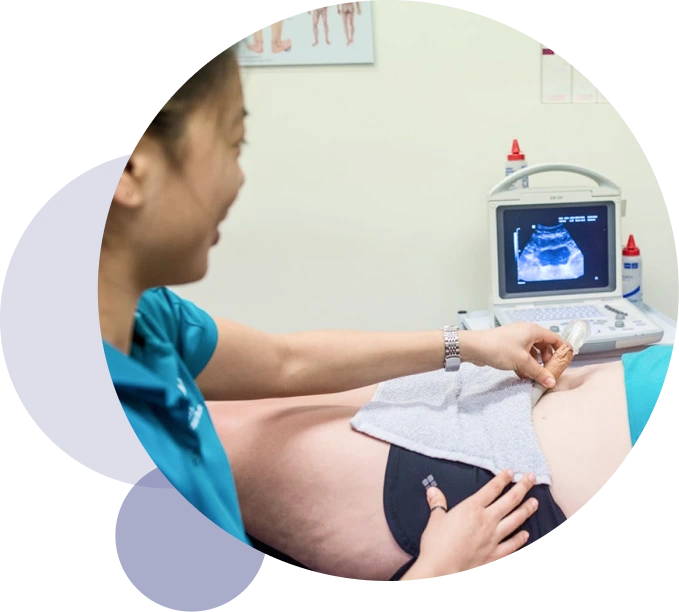
Our latest addition to our clinic is this wonderful machine. The RTUS is used to assess and train a person’s deep core muscles (transversus abdominis/multifidus) and pelvic floor muscles.
This machine works just like the one for pregnant women, but the emphasis is on muscles. The screen will show the specific muscles and then the training will be directed by one of our qualified physiotherapists.
Experience the difference of a whole-body approach to healthcare. Whether you’re looking to book a Physiotherapy assessment, join a Clinical Pilates session, or inquire about remedial massage, contact us to find the most efficient path to your recovery.