-
Pain referring from the neck into the head

Around two-thirds of people experience headaches at some point — and in many cases the neck plays a significant role. When it does, it's known as a cervicogenic headache.
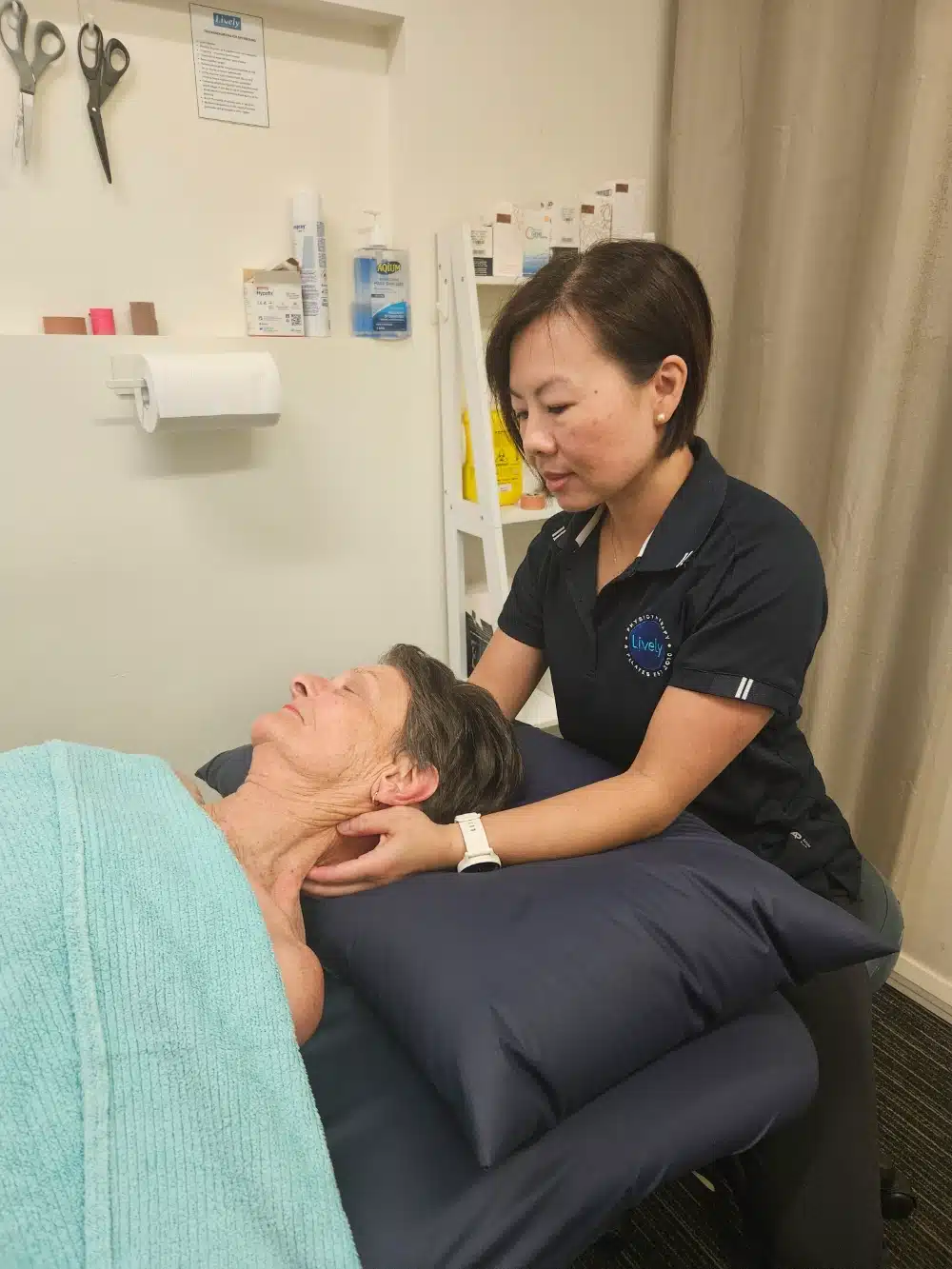
Cervicogenic headaches typically arise from joint or muscle issues in the upper neck, often made worse by poor posture, stress or tension building along the spine. The sensation varies widely — some feel pain at the base of the skull, others a heavy pressure on top of the head, while some experience a tight band or sharp discomfort around the side of the head or face.
Because these headaches originate in the neck, they respond particularly well to physiotherapy — something that sets them apart from other headache types. Identifying the source accurately is the key first step.
At Lively we genuinely enjoy helping people with headaches and migraines — this isn’t standard physiotherapy. We focus particularly on the top three joints of the neck, assessing where misalignment, compression or overload may be occurring. Our aim is to restore proper movement, reduce pressure on surrounding structures, and identify contributing factors that may include shoulder and upper-back stiffness, postural habits, teeth clenching or workplace stress.
Our Senior Physios bring advanced training — they are qualified in muscle energy techniques and the Watson Headache approach, a respected method for assessing and treating cervicogenic headaches. Using highly developed palpation skills, they can pinpoint exactly which joints are under strain and treat them with precision.

Yes — when the neck is the driver, hands-on treatment of the upper neck joints can relieve headaches at their source. Many patients find significant improvement within just a few sessions.
They can overlap, and the distinction isn’t always obvious. Our assessment helps identify how much your neck is contributing so we can treat you appropriately — even if it turns out to be a mixed picture.
No — private patients can book directly without a GP referral. If you’re claiming through a care plan or other scheme, our reception team can advise you.
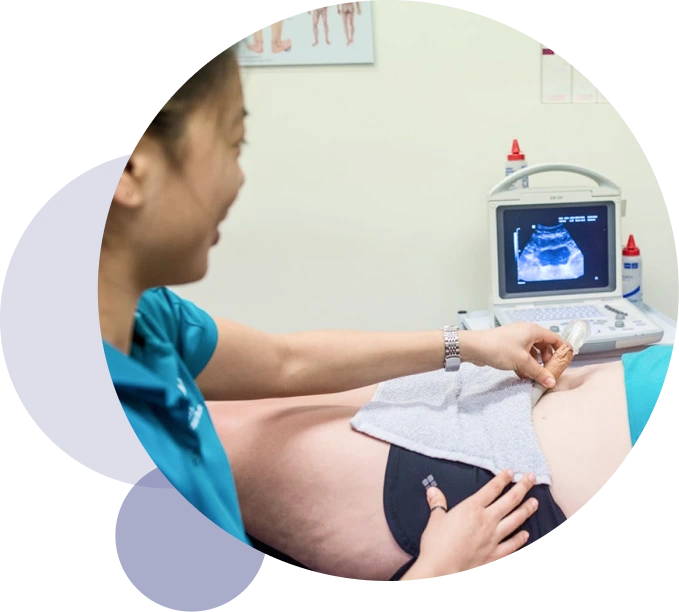
Our latest addition to our clinic is this wonderful machine. The RTUS is used to assess and train a person’s deep core muscles (transversus abdominis/multifidus) and pelvic floor muscles.
This machine works just like the one for pregnant women, but the emphasis is on muscles. The screen will show the specific muscles and then the training will be directed by one of our qualified physiotherapists.
Experience the difference of a whole-body approach to healthcare. Whether you’re looking to book a Physiotherapy assessment, join a Clinical Pilates session, or inquire about remedial massage, contact us to find the most efficient path to your recovery.