-
Groin pain & strains

Your ankle, knee and hip are major weight-bearing joints that work as one connected chain — so when one is painful, the others are rarely far from the story. Whatever your age or activity level, the right assessment makes all the difference.
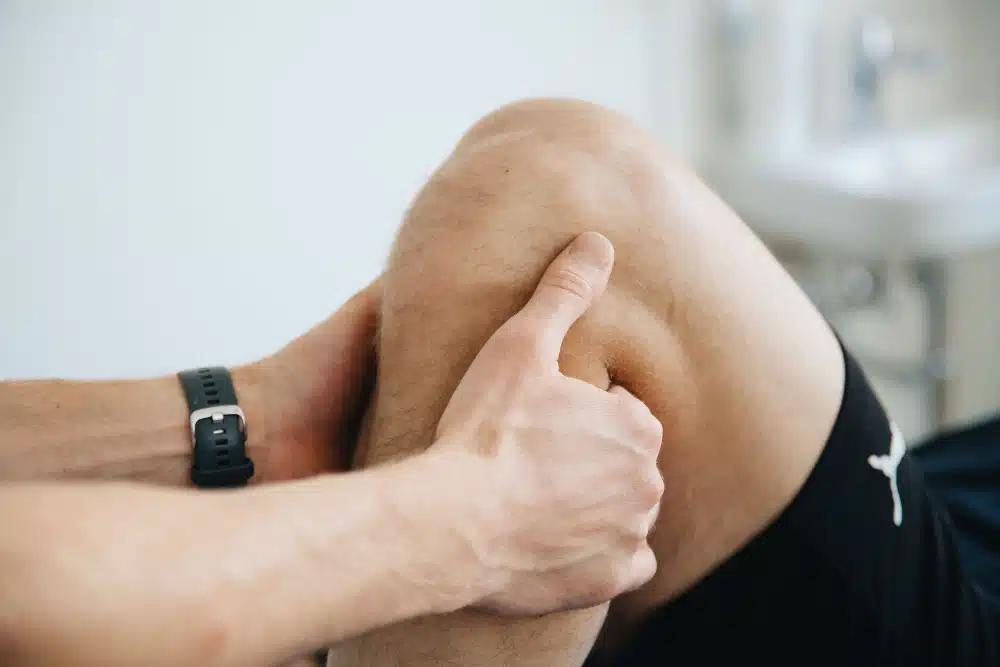
Your lower limb works as one connected chain. The way your foot meets the ground influences the knee, and the knee in turn shares its load with the hip and pelvis — so pain in one joint often has its real driver in another. That’s why we look at the whole chain rather than just the spot that hurts.
Because the hip works so closely with the pelvis, symptoms can show up in various ways — sharp groin pain, deep discomfort in the buttock, or sensations that travel into the lower back or knee. Some people notice aching at night, others find their athletic performance suffers, and for many, simply sitting or performing deep squats becomes uncomfortable.
Hip problems generally fall into two groups: acute injuries that appear suddenly from a specific incident (a slip, a tackle, an awkward landing), and chronic conditions that develop gradually over months or years — including hip arthritis, impingement and bursitis, as well as nerve-related issues like sciatica and deep buttock pain.
The knee is a complex, weight-bearing joint and one of the most commonly injured areas we treat. It’s where four bones meet — the patella (kneecap), femur, tibia and fibula — supported by strong ligaments, cushioned by cartilage (meniscus) and moved by muscles and tendons. When any part of this system is injured it can lead to painful movement, swelling and instability.
Knee injuries fall into two broad categories. Acute injuries arise from a specific incident such as a fall, twist or awkward landing — including ligament sprains or tears (ACL, MCL or LCL), meniscus tears, fractures and sudden inflammation. Gradual-onset pain develops over time from overuse or poor biomechanics, and includes patellofemoral pain, ITB friction syndrome, tendinopathies like jumper’s knee, and osteoarthritis.
Your feet and ankles are the vital connection between your body and the ground — a complex structure of bones, ligaments and tendons working to keep you stable and moving. We frequently treat a range of ankle conditions, including sprains, Achilles tendon problems, fractures and ongoing instability. Most cases are acute injuries, typically from sport (such as rolling an ankle) or everyday accidents like slips and trips at home or work.
Some patients instead develop foot and ankle discomfort gradually over time with no clear triggering event. Wherever yours sits on that spectrum, getting the right assessment early makes a real difference to how quickly you recover.
Ankle, hip and knee pain are deeply linked, so we always assess the whole lower limb — not just where it hurts. We look at multiple potential contributors, including referred pain from the lower back or pelvis, mechanics throughout the entire lower limb and foot, the strength and balance of the muscles around the hip, knee and ankle, your technique during squatting or sport-specific movements, motor control patterns, footwear, core stability and overall biomechanics.
From there we create a personalised plan combining hands-on manual therapy to ease pain and restore movement with targeted strengthening to rebuild stability. Biomechanical analysis and gait retraining address the root cause and help prevent recurrence, and we guide return-to-sport and post-surgical rehabilitation every step of the way. With expert assessment and timely treatment, many ankle injuries in particular resolve completely within just a few sessions.


The hip shares load with the pelvis and the entire lower limb, so pain often refers away from the joint itself. We assess the whole chain — hip, knee and ankle — to find the true source and treat it effectively.
It depends on the severity, but with early assessment and the right rehab plan many ankle injuries resolve within a few sessions. We’ll give you a clear timeline at your first visit.
Yes — targeted strengthening and hands-on care can significantly reduce pain and improve function for arthritic hips and knees, helping you stay active and delay or avoid more invasive interventions.
Often yes, with modifications — your physio will show you what’s safe and what to avoid at each stage of your recovery, keeping you as active as possible while your knee heals.
Yes — we guide recovery after procedures like ACL reconstructions, total knee replacements and hip surgery, taking you through each stage of rehabilitation with a structured, progressive program tailored to your goals.
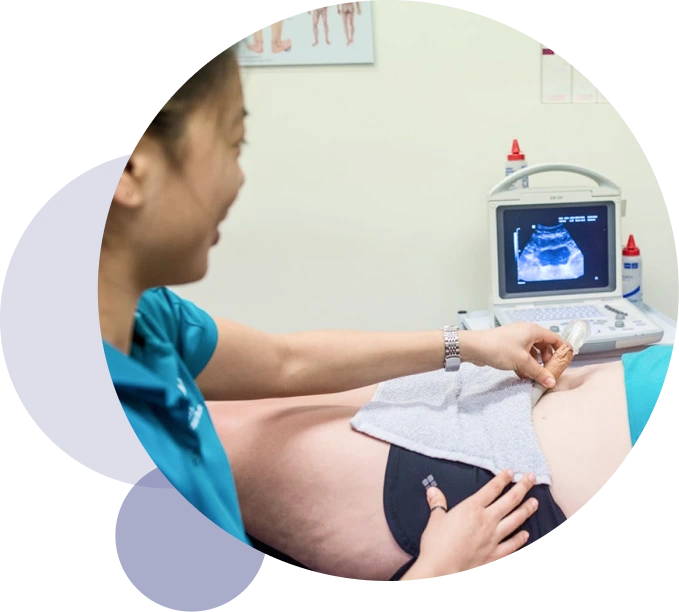
Our latest addition to our clinic is this wonderful machine. The RTUS is used to assess and train a person’s deep core muscles (transversus abdominis/multifidus) and pelvic floor muscles.
This machine works just like the one for pregnant women, but the emphasis is on muscles. The screen will show the specific muscles and then the training will be directed by one of our qualified physiotherapists.
Experience the difference of a whole-body approach to healthcare. Whether you’re looking to book a Physiotherapy assessment, join a Clinical Pilates session, or inquire about remedial massage, contact us to find the most efficient path to your recovery.