-
Desk- and workstation-related pain

Postural pain and injuries are among the most common conditions we treat — arising when sustained or repetitive postures place excess stress on muscles, joints and connective tissues.
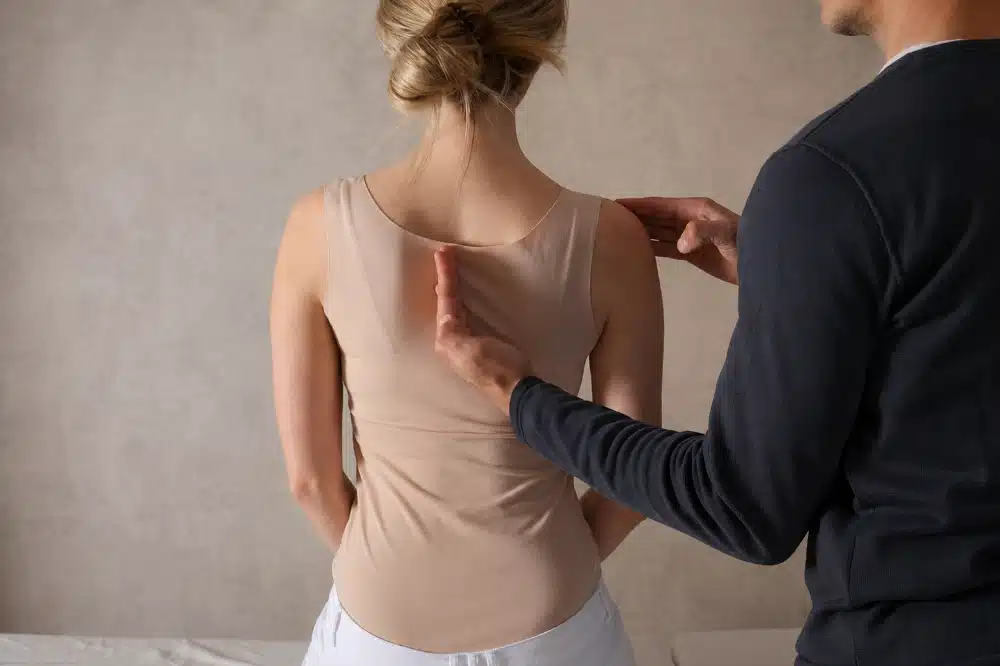
Common causes include prolonged desk work, a poor workstation setup, or the demands of specific work postures or sport. Over time, sustained or repetitive positions load muscles, joints and connective tissues beyond what they’re designed to handle — and pain follows.
We believe in a full-body approach to postural assessment. Our physiotherapists evaluate your posture from head to toe in various positions — sitting, standing and during movement — identify asymmetries or imbalances across the head, shoulders, spine, arms and legs, and determine the root cause: whether your pain is primarily posture-related, or a pre-existing injury being aggravated by the way you hold yourself.
Following your assessment we develop a customised, multi-stage treatment plan. Short-term goals focus on pain relief, reducing stiffness and building postural awareness. Medium-term goals optimise your desk setup, improve joint mobility and begin posture correction. Long-term goals restore muscle balance, strength and flexibility through movement retraining — so you stay better for longer.
Your plan may combine manual therapy, targeted exercises and stretches, postural cues and ergonomic adjustments, and taping for support — a layered, individualised approach to help you achieve a posture that feels light, efficient and functional.

Yes — sustained postures load tissues over time, and that accumulated stress can cause significant pain. The good news is that correcting them, with the right guidance, often brings lasting relief relatively quickly.
Often a few targeted ergonomic adjustments make a big difference — we’ll give you practical, specific guidance rather than generic advice, so you know exactly what to change and why.
Many people feel noticeably better after just a few sessions. Longer-term retraining — building new movement habits and muscle balance — is what keeps it from returning, and we’ll support you through every stage.
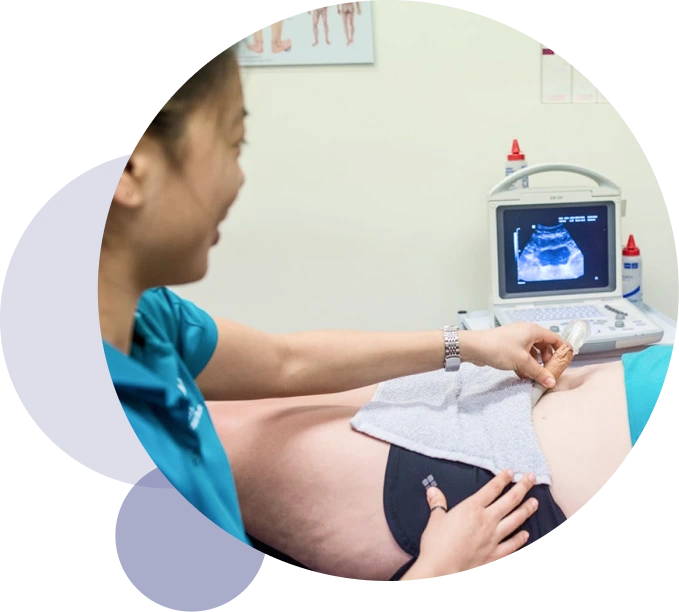
Our latest addition to our clinic is this wonderful machine. The RTUS is used to assess and train a person’s deep core muscles (transversus abdominis/multifidus) and pelvic floor muscles.
This machine works just like the one for pregnant women, but the emphasis is on muscles. The screen will show the specific muscles and then the training will be directed by one of our qualified physiotherapists.
Experience the difference of a whole-body approach to healthcare. Whether you’re looking to book a Physiotherapy assessment, join a Clinical Pilates session, or inquire about remedial massage, contact us to find the most efficient path to your recovery.